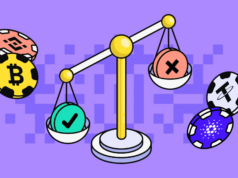




















The gambling industry is a multi-billion-dollar market that operates across various jurisdictions, each with its own set of laws and regulations. Governments worldwide are implementing new policies, licensing requirements, and compliance measures to regulate gambling activities, ensuring fair play, consumer protection, and responsible gaming.
Regulation plays a crucial role in shaping how casinos and online platforms operate, influencing their growth, accessibility, and overall integrity. In this article, we will explore how global regulations are impacting the gambling industry and what this means for players, operators, and investors.

1. The Importance of Gambling Regulation
Gambling regulations exist to protect both players and operators while ensuring that the industry functions transparently and fairly. The main objectives of gambling laws include:
✔ Preventing Fraud and Money Laundering – Regulations enforce strict anti-money laundering (AML) measures to prevent casinos from being used for illegal activities.
✔ Ensuring Fair Play – Licensed casinos must use random number generators (RNGs) and independent audits to ensure games are not rigged.
✔ Promoting Responsible Gambling – Many jurisdictions require operators to provide self-exclusion tools, deposit limits, and problem gambling support services.
✔ Taxation and Economic Growth – Legalized gambling generates tax revenue for governments, funding public services like education and healthcare.
Without regulation, the gambling industry would be vulnerable to fraud, unfair practices, and unethical operations, which could harm both businesses and consumers.
2. Differences in Gambling Laws Worldwide
Gambling laws vary significantly across different countries. Some nations have strict regulations, while others embrace a more relaxed approach. Below is an overview of how gambling is regulated in different parts of the world:
Europe
✔ The United Kingdom has one of the most regulated gambling markets under the UK Gambling Commission (UKGC), which enforces strict licensing, advertising, and responsible gaming policies.
✔ Malta and Gibraltar are popular licensing hubs for online casinos, offering favorable tax conditions and regulatory oversight.
✔ Germany has recently introduced new laws that include limits on slot machine stakes and advertising restrictions.
North America
✔ In the United States, gambling laws differ by state. Some states, like Nevada and New Jersey, have fully legalized and regulated online and land-based gambling, while others impose strict restrictions.
✔ Canada allows provinces to regulate gambling independently, with Ontario emerging as a key player in online gambling regulation.
Asia
✔ In China, gambling is largely illegal, except for state-run lotteries and Macau, which is the world’s largest gambling hub.
✔ Japan recently legalized casino gambling, introducing integrated resorts that are expected to boost the economy.
✔ India has complex gambling laws, with some states permitting online gaming while others ban it entirely.
Australia and Africa
✔ Australia has strict regulations for online gambling, prohibiting offshore casinos from targeting Australian players.
✔ South Africa and other African nations are beginning to regulate online gambling to promote responsible gaming and generate revenue.
These regional differences highlight how the gambling industry must adapt to various legal landscapes while ensuring compliance with local laws.
3. The Impact of Regulation on Online Gambling
As online gambling continues to grow, regulations are evolving to address the unique challenges of digital casinos. Some key ways that regulation is shaping the online gambling industry include:
Licensing and Compliance
✔ Online casinos must obtain licenses from reputable regulatory bodies such as the UKGC, Malta Gaming Authority (MGA), and Curacao eGaming Authority to operate legally.
✔ Licensed casinos are required to follow strict guidelines on fairness, security, and responsible gaming.
Stronger Consumer Protection Measures
✔ Many regulators now require identity verification (KYC) to prevent underage gambling and fraud.
✔ Deposit limits and cooling-off periods are becoming more common to promote safer gambling practices.
Restrictions on Advertising and Marketing
✔ Some countries, like the UK, have banned gambling advertisements targeting minors and vulnerable players.
✔ Social media and influencer marketing are now under scrutiny to prevent misleading promotions.
Anti-Money Laundering (AML) and Financial Transparency
✔ Casinos must comply with AML laws by tracking transactions and reporting suspicious activities.
✔ Blockchain technology is being explored to improve transparency and security in financial transactions.
As online gambling becomes more popular, regulators will continue to introduce new laws and safeguards to create a safer and more responsible gaming environment.
4. The Future of Gambling Regulation
The future of gambling regulation is expected to focus on responsible gaming, digital transformation, and international cooperation. Some upcoming trends include:
✔ Tighter Restrictions on Online Casinos – More countries may introduce stricter licensing requirements to ensure only reputable operators can run gambling sites.
✔ Expansion of Cryptocurrency Gambling Laws – As Bitcoin and other digital currencies gain popularity, regulators may introduce crypto-specific gambling laws to ensure security and fairness.
✔ Global Collaboration on Regulations – Countries may work together to create standardized gambling regulations, improving player safety worldwide.
✔ More AI-Powered Compliance Tools – Artificial intelligence will play a bigger role in detecting fraud, preventing problem gambling, and enforcing fair play policies.
With governments recognizing both the economic benefits and risks of gambling, we can expect further legal developments aimed at balancing industry growth with responsible gaming practices.
5. How Regulation Affects Players and Operators
Regulations directly impact both players and gambling operators, shaping the way they engage with the industry.
For Players:
✔ More Safety and Security – Licensed casinos provide secure transactions and fair games.
✔ Responsible Gambling Protections – Features like deposit limits and self-exclusion help prevent gambling addiction.
✔ Better Customer Support – Regulated casinos must handle disputes fairly and transparently.
For Operators:
✔ Higher Compliance Costs – Obtaining a gambling license requires strict adherence to regulations and regular audits.
✔ Marketing Limitations – New advertising laws mean operators must be careful with promotions and player targeting.
✔ Competitive Advantage for Licensed Casinos – Players trust and prefer licensed casinos over unregulated ones.
Operators that fail to comply with regulations face hefty fines, loss of licenses, or even bans from certain markets, making compliance essential for long-term success.
The gambling industry is evolving under the influence of global regulations, with governments taking steps to protect consumers, ensure fairness, and generate tax revenue. As online gambling continues to grow, new laws and compliance measures will shape the industry’s future, affecting how players gamble and how operators run their businesses.
With increasing emphasis on responsible gaming, fair play, and financial transparency, the gambling industry is becoming safer, more accountable, and more accessible for players worldwide. Operators who embrace regulation and adapt to legal changes will be best positioned for success in this rapidly evolving market.
As the global gambling landscape continues to shift, one thing is certain: regulation will remain a key factor in shaping its future. 🎰🔍